


Painted Finish
Factory-painted finishes can be selected to complement the surrounding architecture, entrance, corridor, or interior palette.
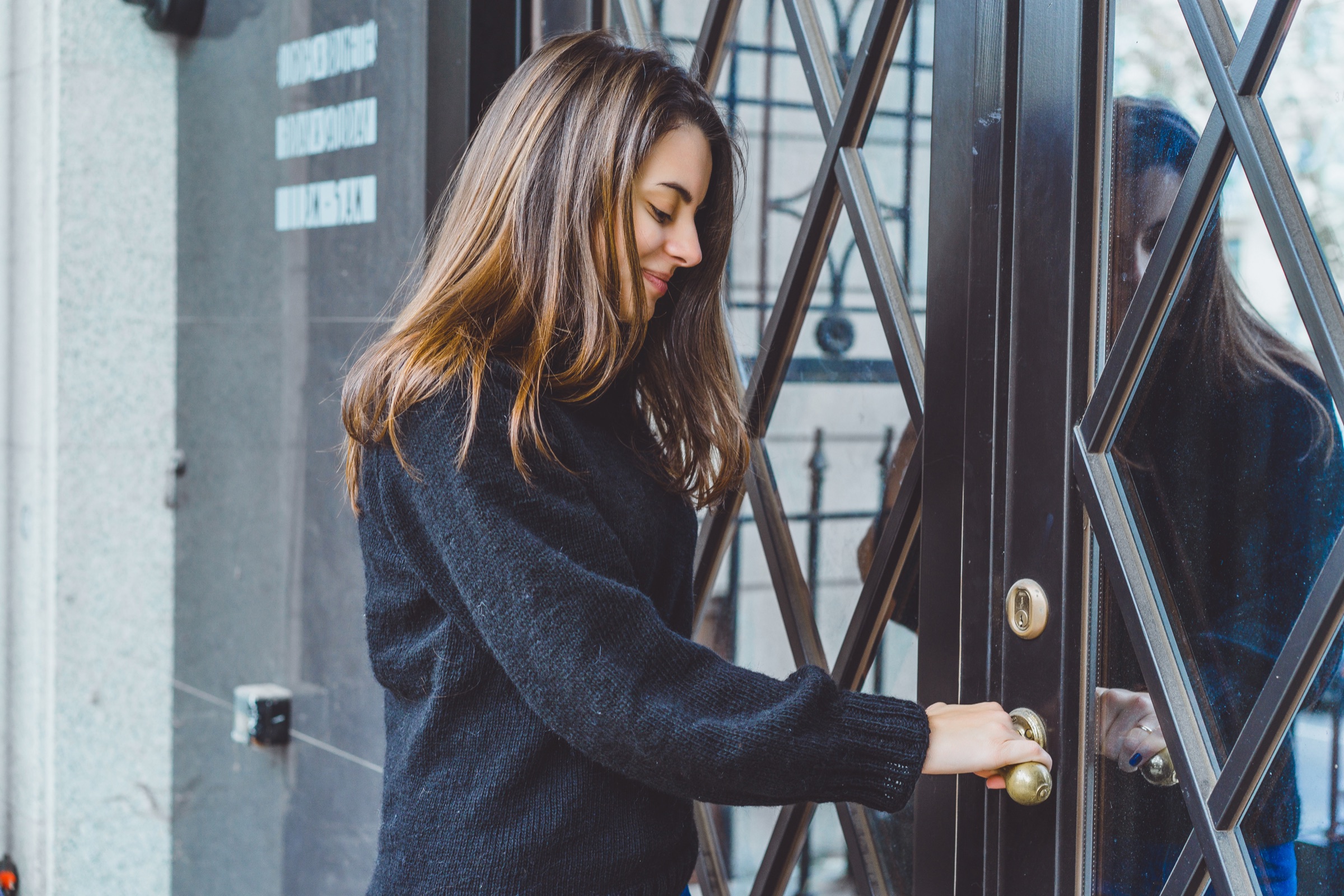


Protectus Group creates custom bullet-resistant doors for private residences, estates, safe rooms, and high-value properties.
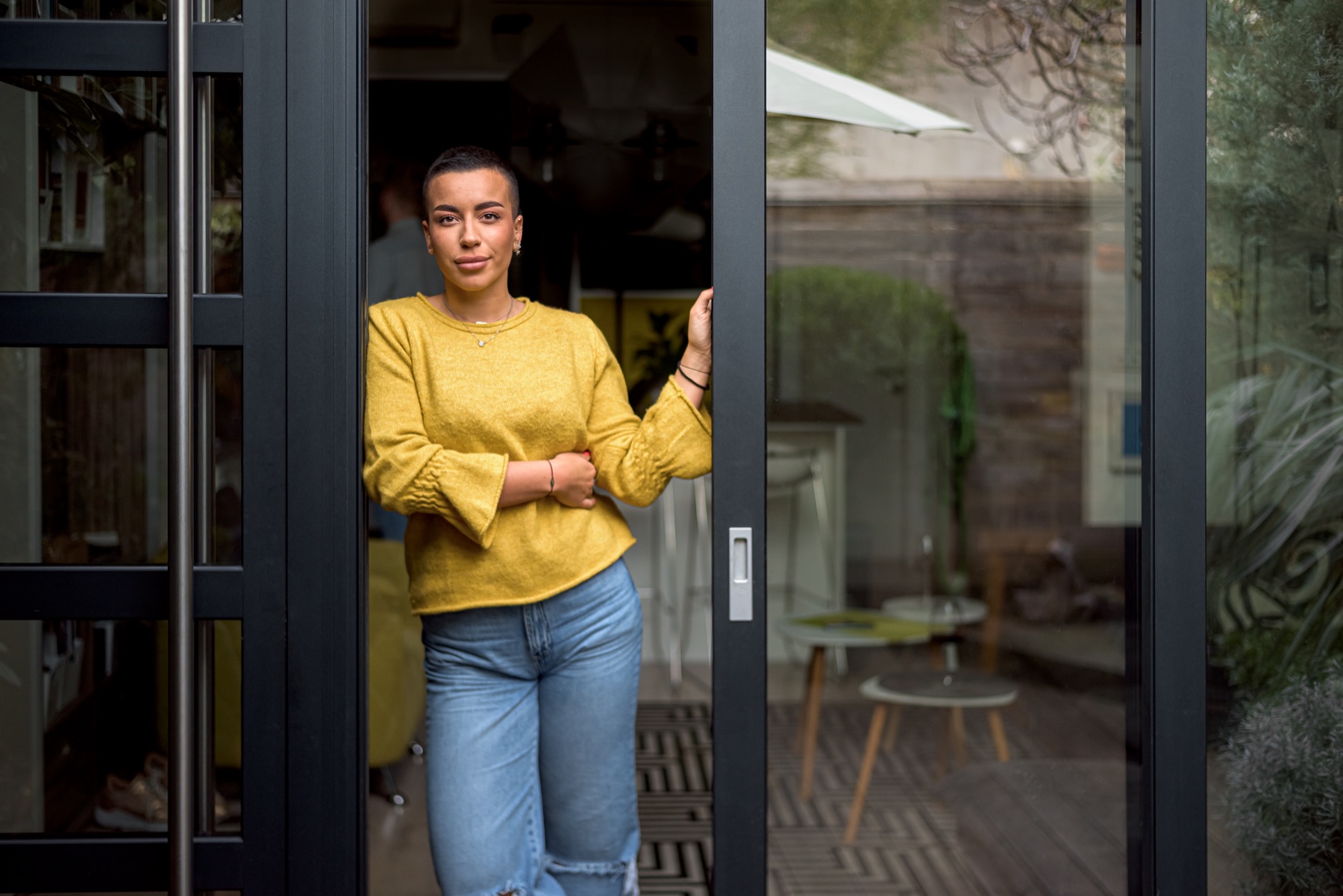
Bullet-resistant doors are designed for properties where standard doors are not enough. They help protect critical access points, secure rooms, private offices, and sensitive residential spaces while maintaining a refined architectural appearance.
Protectus Group specifies each door around the property, the required protection level, and the way the space is used. The door leaf, frame, lock, hinges, glazing, and surrounding structure are considered as one complete protective system.
Protectus Group bullet-resistant doors are designed for refined residential and estate environments. The protective core remains concealed inside a door system that can be finished to suit modern, traditional, or highly bespoke interiors.
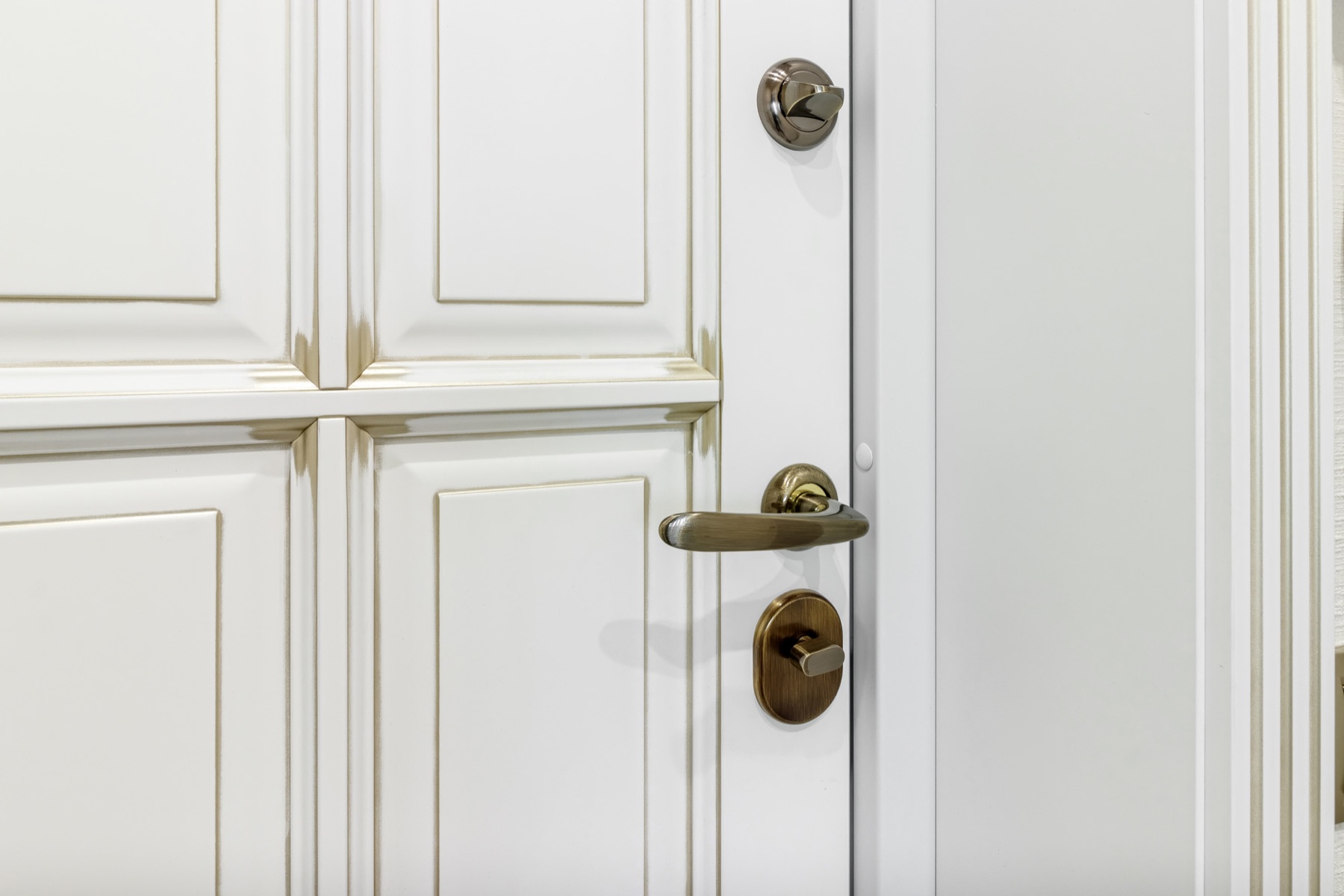
Factory-painted finishes can be selected to complement the surrounding architecture, entrance, corridor, or interior palette.
Natural or engineered wood cladding can create a warm, residential appearance while concealing the protective structure beneath.
Bullet-resistant glass can be incorporated into selected doors, sidelights, transoms, or glazed panels where light and visibility are required.
Panel profiles, mouldings, proportions, handles, pulls, and hardware can be developed around the property’s design language.
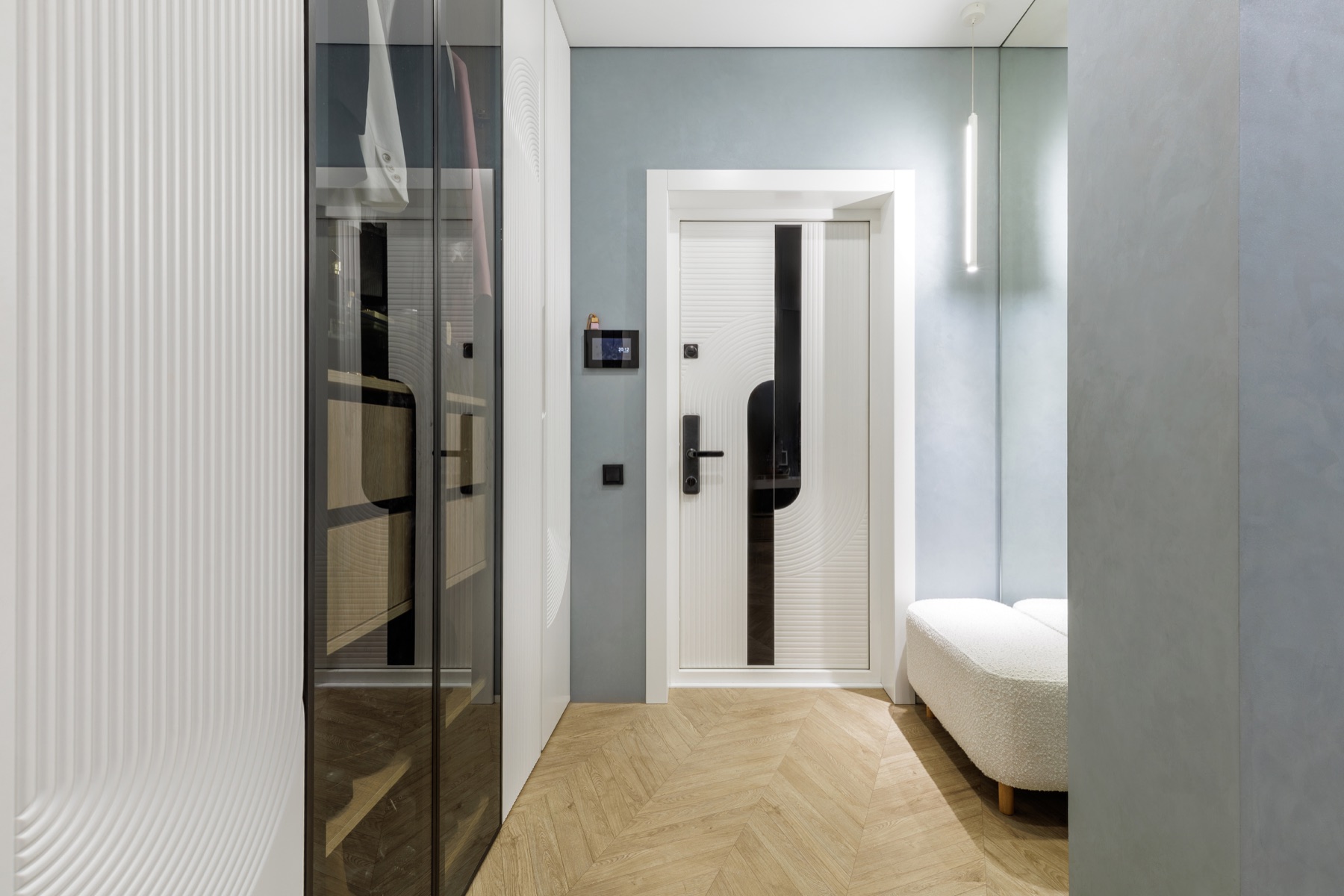
A bullet-resistant door must be treated as a complete assembly. The door, frame, lock, hinges, anchors, glazing, and adjacent wall conditions all affect performance.
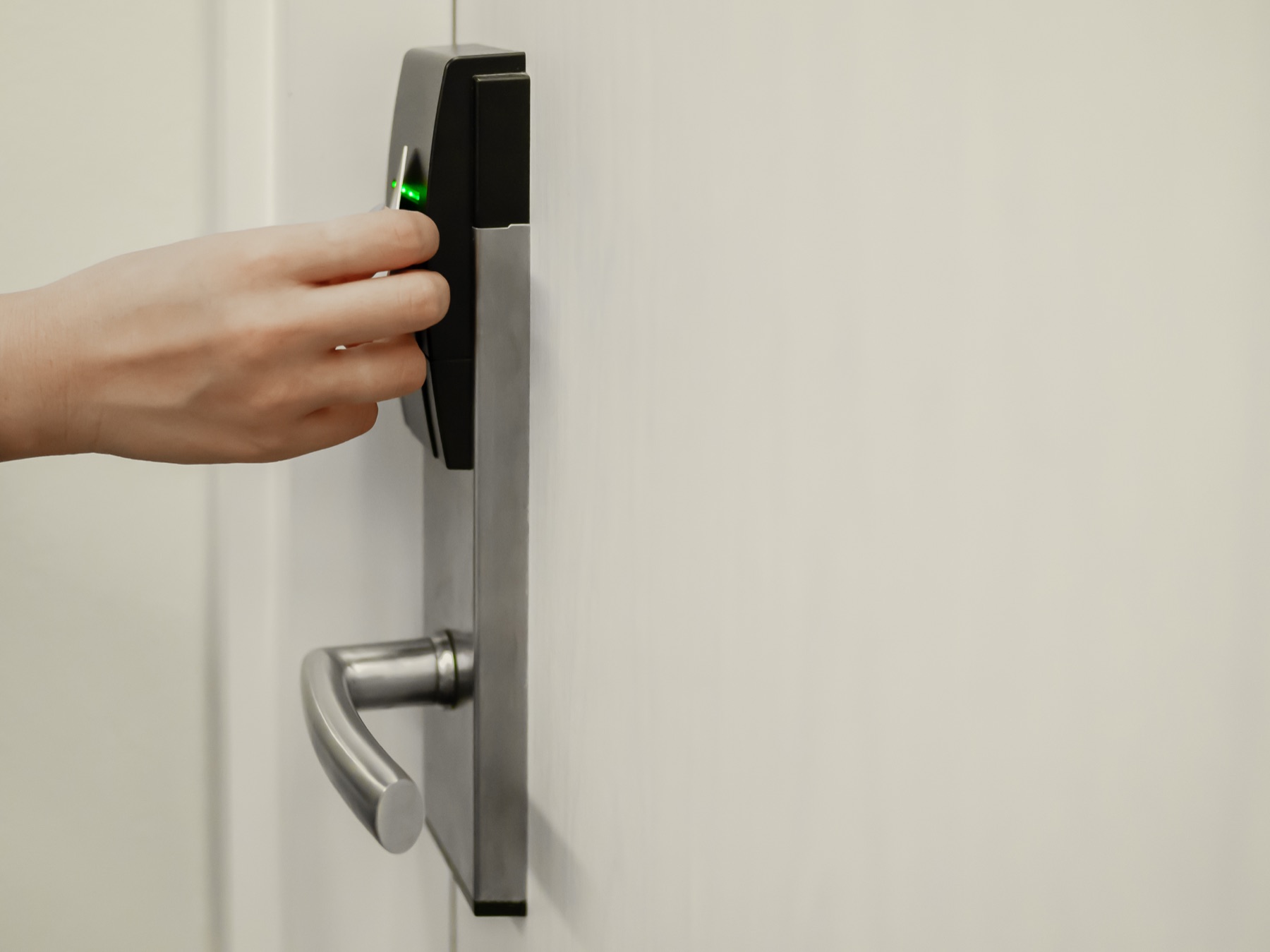
Planning note: A main entrance door, safe room door, and secure office door should not all be specified the same way. Protectus Group helps define the right locking approach for the role of the door.
A secure door should be easy to use correctly. If a locking system is too complex, it may be left unsecured or create problems in a critical moment.
Protectus Group can specify locking systems based on the door location, protection level, access needs, and daily use requirements.
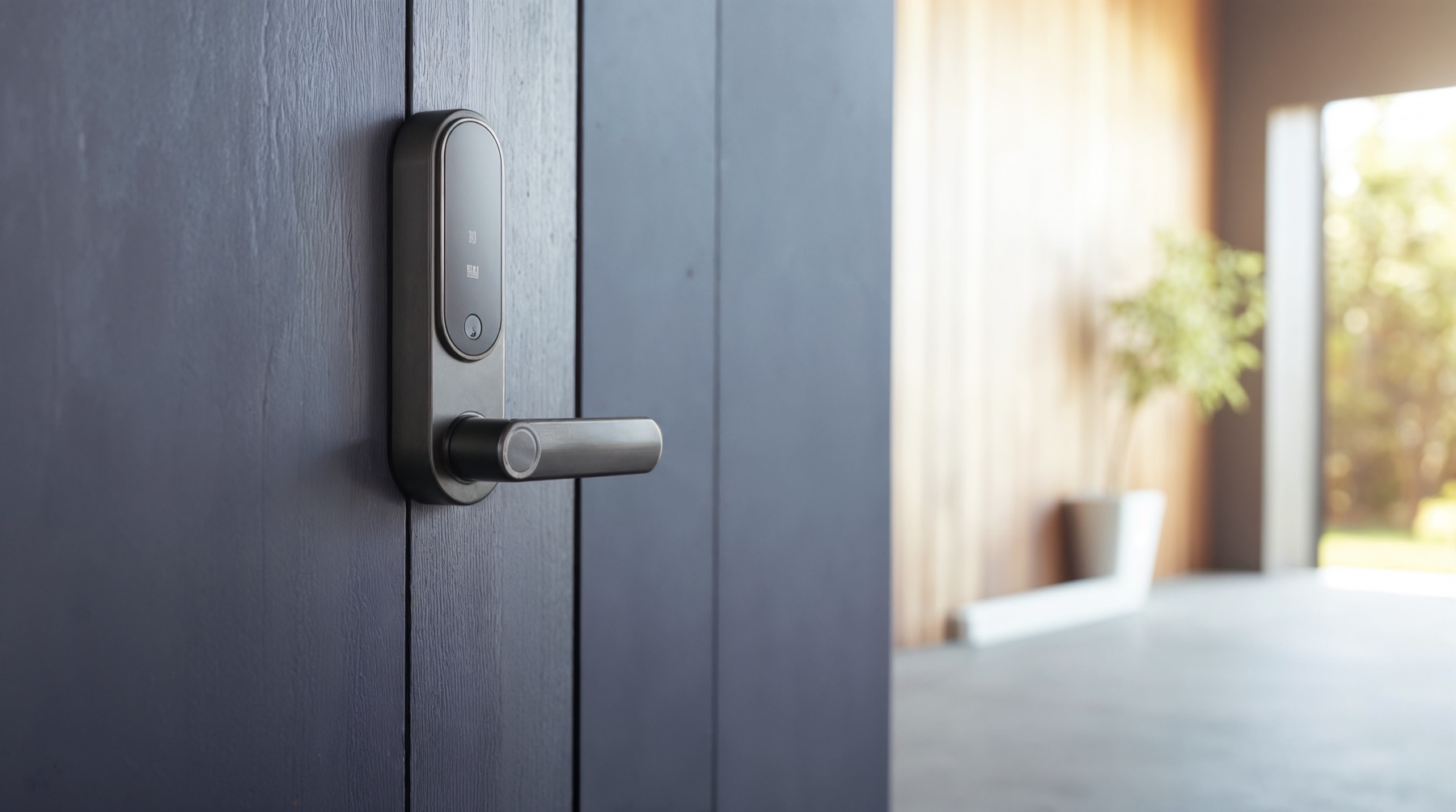
Planning note: A main entrance door, safe room door, and secure office door should not all be specified the same way. Protectus Group helps define the right locking approach for the role of the door.
Automation can improve access, speed, and consistency when specified correctly.
The door can be configured to secure after closing, reducing the risk of it being left unlocked.
Fingerprint or biometric systems can provide fast access for approved users without relying only on keys.
Code-based access can support family, staff, or temporary access where appropriate.
Selected doors can be planned for integration with residential security, alarm, or monitoring systems.
Protectus Group bullet-resistant doors are created for properties where protection must remain visually controlled, practical, and architecturally appropriate.
Core features include:
Custom bullet-resistant door design
Multi-point locking configurations
New-build and retrofit suitability
Reinforced door leaf and secure frame
Premium exterior and interior finishes
Coordination with architects and contractors
Ballistic and forced-entry protection options
Protective glazing options
Whole-home defensive architecture support
Bullet-resistant doors can be used in multiple areas of a private residence or estate depending on the security strategy.
Core features include:
For primary access points requiring stronger protection without compromising the property’s arrival experience.
For private refuge spaces where the door is one of the most important protective elements.
For executive working spaces, sensitive documents, or high-value residential work areas.
For private residential zones where occupants may need a higher level of security.
For rooms containing valuables, collections, firearms, archives, or personal assets.
For creating controlled layers between public, family, private, and restricted areas of the home.
Door cores, frames, and glazing can be specified for defined ballistic threat levels where bullet-resistant protection is required.
Designed to resist impact, prying, cutting, drilling, and manipulation of the door, lock, or frame.
The frame is planned as part of the full system, helping transfer strength into the surrounding wall structure.
Advanced locking systems can secure the door at multiple points for stronger resistance and controlled operation.
A bullet-resistant door may serve as a main entrance, interior security door, safe room door, or secure office door. Each use requires a different balance of convenience and protection.
The exterior finish can be developed to match the architecture, so the door feels like part of the property rather than a visible security product.
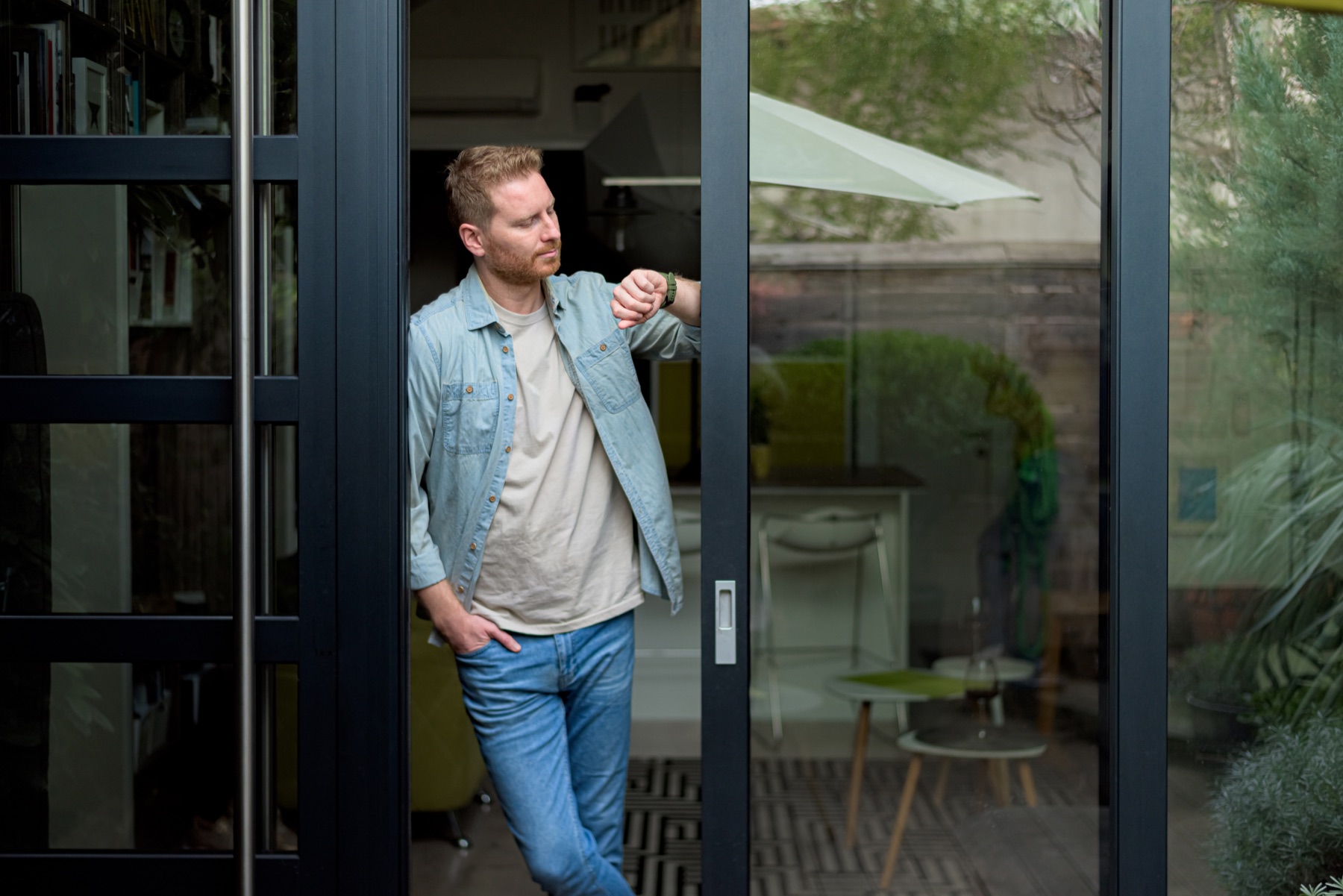
A bullet-resistant door should not make a residence feel like a secured facility. It should provide serious protection while remaining aligned with the architecture, finish quality, and atmosphere of the property.
Protectus Group combines defensive architecture, secure construction, refined materials, and project-specific planning to create doors that protect without visual compromise.
A bullet-resistant door is a reinforced door system designed to resist defined ballistic threats. It typically includes a protective door core, secure frame, specialist locking system, and installation details suited to the surrounding structure.
“Bulletproof” is commonly used, but “bullet-resistant” is more accurate. No door is proof against every weapon, round, or attack condition.
Yes. It can be finished with wood, paint, metal detailing, glass, paneling, or custom hardware so it suits the property’s architecture.
Yes. Protective glazing can be used in selected doors, sidelights, transoms, or glass inserts where the project requires light or visibility.
This is usually not recommended. The door leaf, frame, hinges, lock, anchors, and surrounding wall need to work together as a complete protective system.
Common applications include front entrances, safe rooms, private offices, bedroom suites, secure storage rooms, and sensitive internal zones.
Yes. A strong door without a properly specified frame and installation can leave weak points around the opening.
Yes. Depending on the project, the door can include keypad entry, biometric access, motorized locking, automatic locking, or selected access control integration.
Begin with a confidential consultation.
Complete the form below to share your needs and request a private consultation. A member of our team will respond discreetly to discuss the appropriate next steps.
Protectus Group works with private clients, family offices, architects, developers, and security
advisors
on sensitive residential and estate security projects.
Our first step is to understand your property, priorities, and
privacy requirements. All
client information is handled in strict confidence.


