


Stained Wood Finish
Natural or engineered wood cladding can be selected to match surrounding doors, wall paneling, cabinetry, or interior joinery.
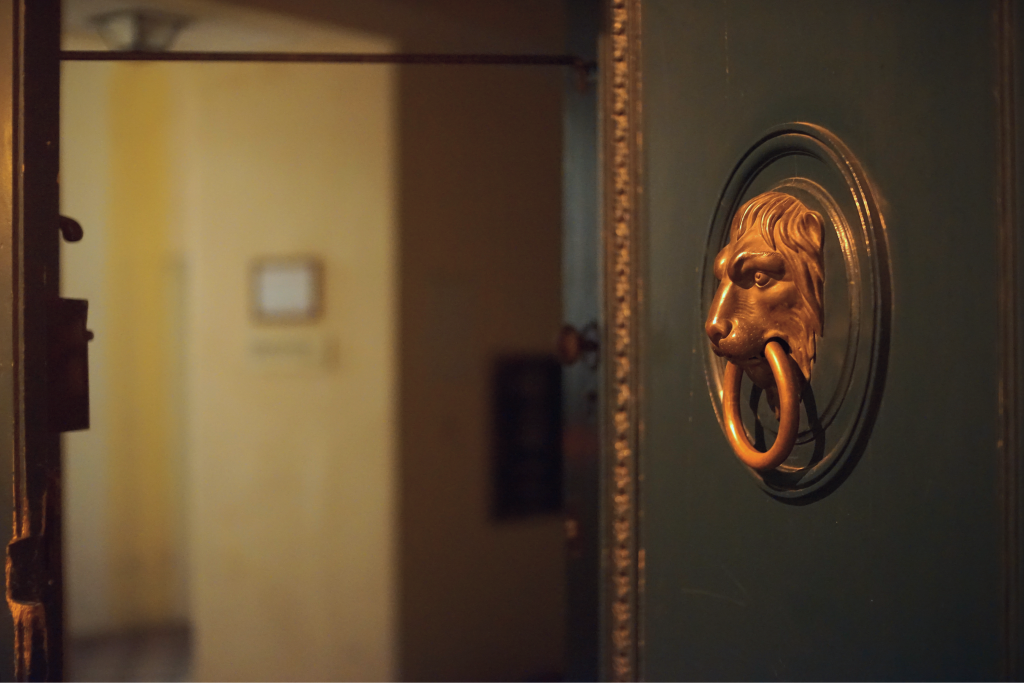


Protectus Group creates reinforced vault room doors for private residences, estates, collection rooms, secure storage spaces, and high-value environments.
A vault room door should provide serious protection while fitting naturally into the property. For private homes and estates, the entrance to a vault should feel refined, intentional, and discreet rather than industrial.
Protectus Group designs vault room doors for spaces used to secure valuables, collections, documents, watches, jewelry, firearms, artwork, private archives, and sensitive assets.
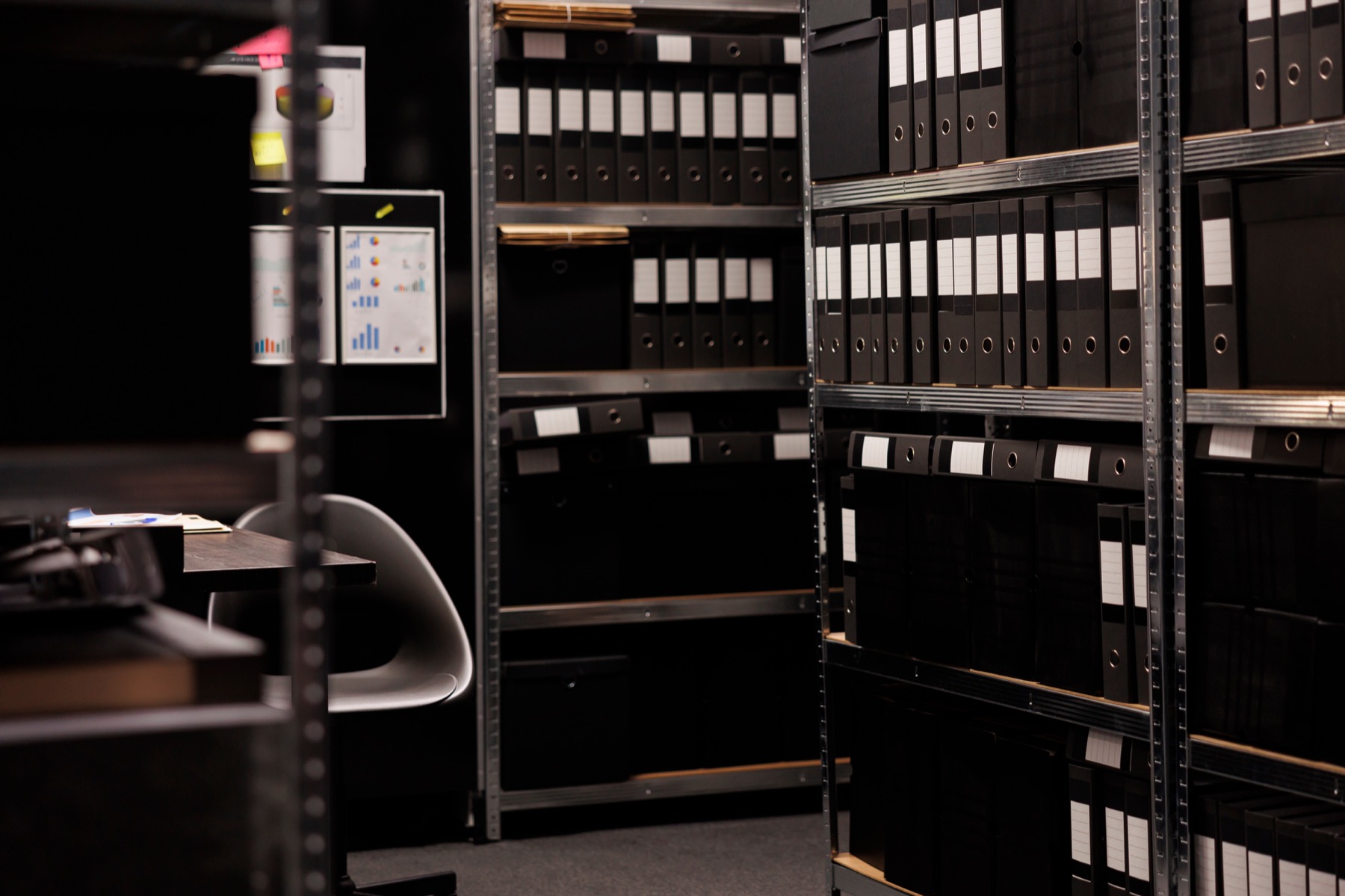
The door controls the main point of access into the room. It must resist forced entry, support the required protection level, and remain practical for approved users.
Protectus Group specifies each vault room door around the property, the room purpose, the wall construction, and the level of protection required.
Protectus Group vault room doors are designed for refined residential and estate environments where protection must sit comfortably within the architecture.
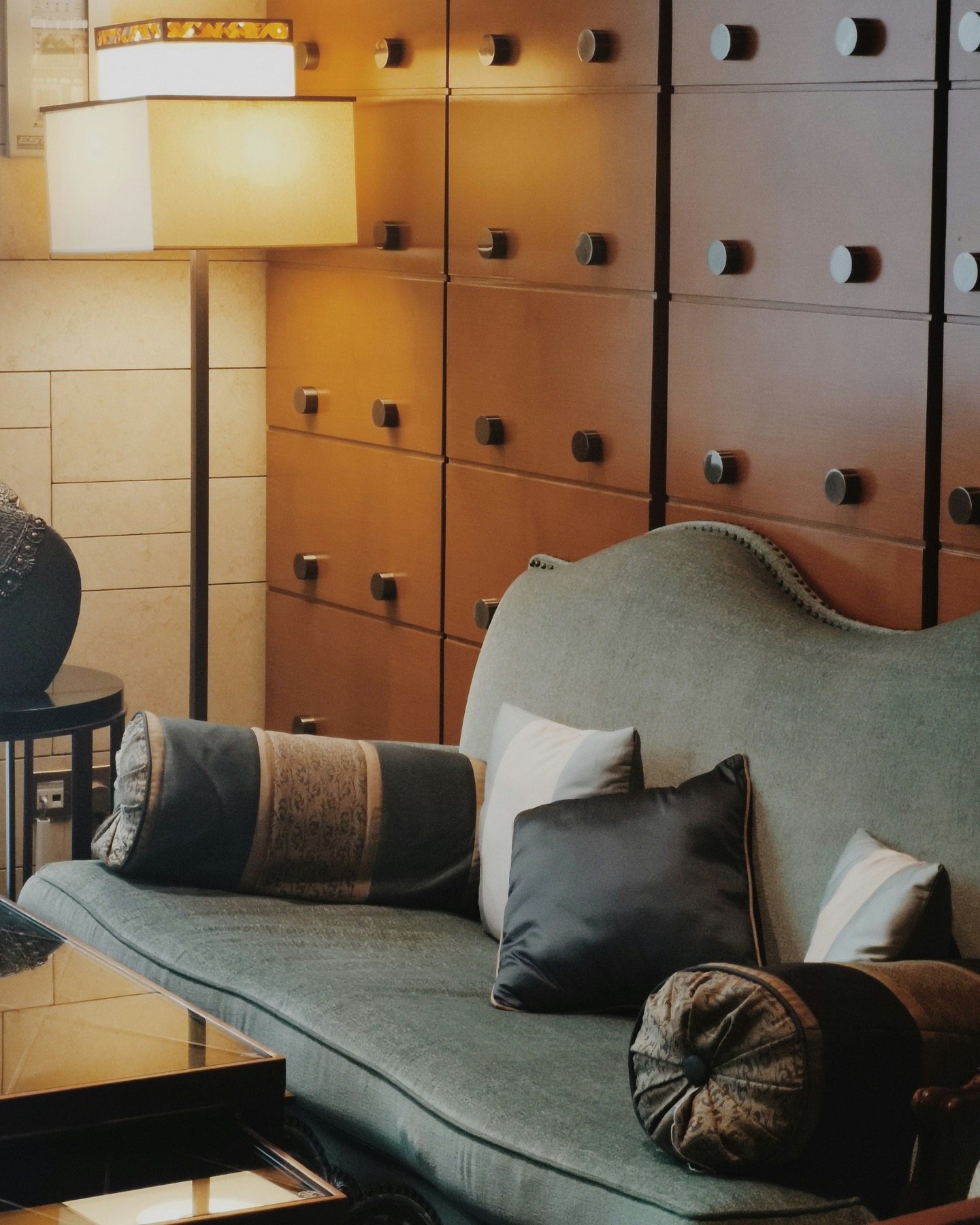
Natural or engineered wood cladding can be selected to match surrounding doors, wall paneling, cabinetry, or interior joinery.
Painted finishes can be matched to nearby hallway doors, private rooms, or the wider interior design palette.
Panel profiles, mouldings, proportions, handles, pulls, and hardware can be developed around the property’s existing architecture or a new design concept.
For selected projects, the vault room door can be planned as a visually quiet or concealed internal door.
Planning note: A vault room used daily for watches, documents, or collections may require a different access strategy than a room designed mainly for emergency storage or long-term asset protection.
A vault room door needs strong locking performance, but it should also be practical for approved users. The right system depends on the room’s purpose, frequency of use, asset value, and access requirements.
Protectus Group can specify locking systems that support controlled access, daily usability, auditability, and emergency operation where appropriate.
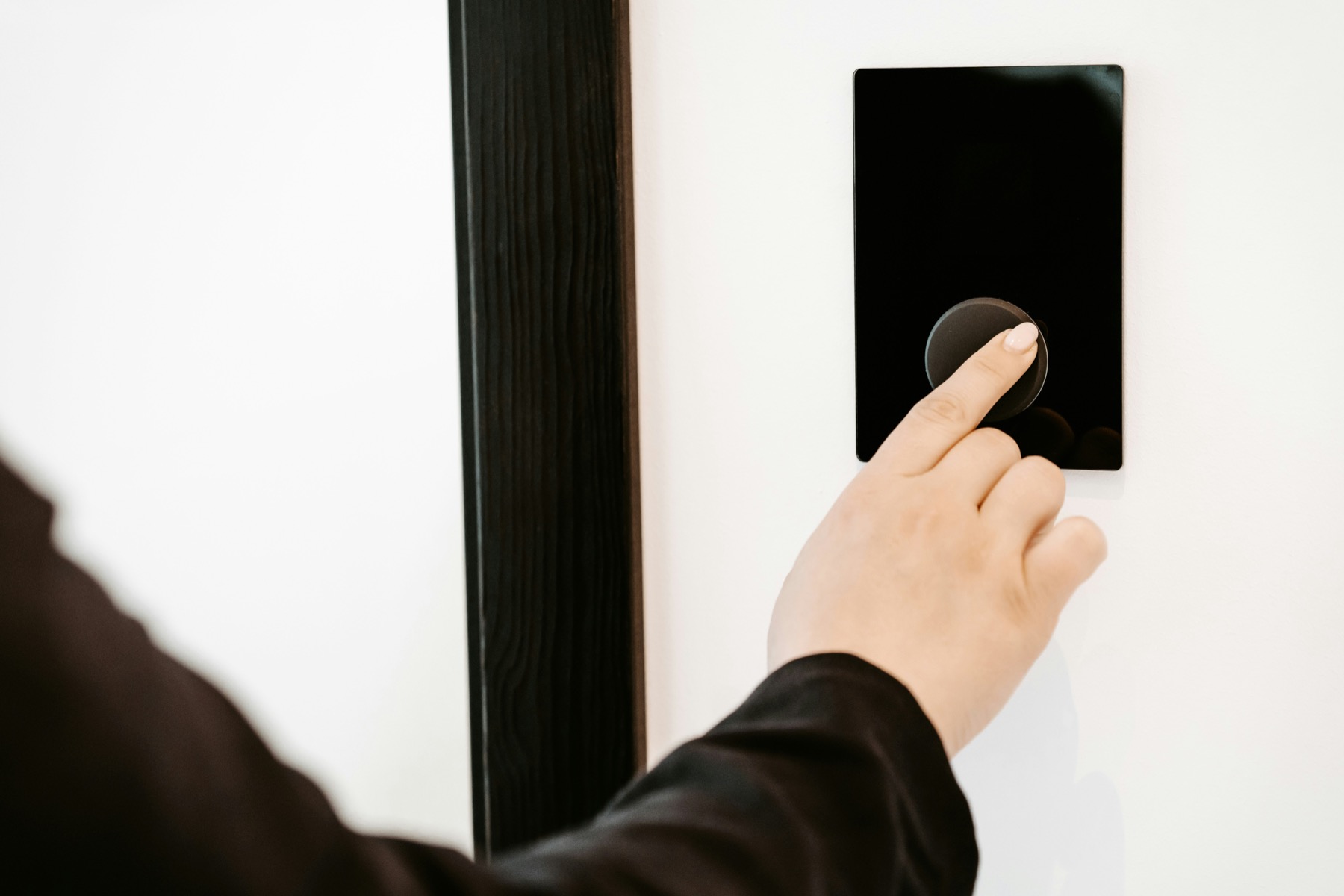
Automation can improve security consistency and make the vault room easier to manage for authorized users.
The door can be configured to secure after closing, reducing the risk of the room being left unlocked.
Fingerprint or biometric systems can provide fast access for approved users without relying only on keys.
Code-based entry can support approved access while reducing dependency on physical keys.
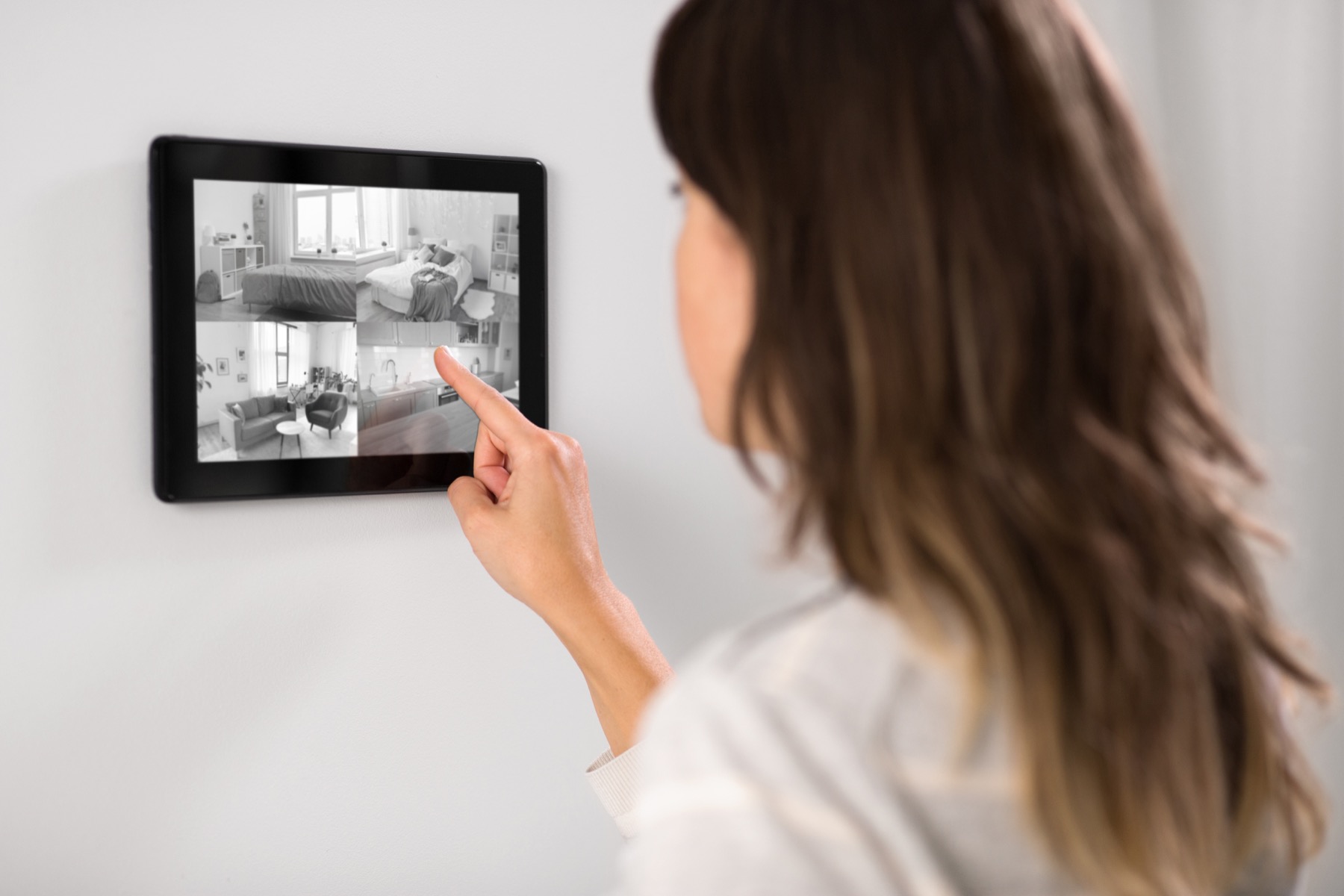
Where suitable, the door can be planned for integration with residential security, alarm, or monitoring systems.
Protectus Group vault room doors are created for private residences, estates, and collection spaces where the entrance should feel discreet, controlled, and architecturally appropriate.
Core features include:
Custom vault room door design
Multi-point locking configurations
New-build and retrofit suitability
Reinforced door leaf and secure frame
Premium residential finishes
Coordination with architects and contractors
Forced-entry and ballistic-resistant options
Mechanical or electronic access options
Whole-home defensive architecture support
A vault room door is not only the visible door leaf. The frame, hinges, lock, anchors, surrounding wall, and installation details all affect performance.
Security features may include:
Reinforced internal core
Fixed hinge-side protection
Secure frame and anchoring system
Drill-resistant lock protection
Multi-point locking bolts
Concealed reinforcement
Forced-entry resistant detailing
Ballistic-resistant upgrade options
Thermal and acoustic insulation
Inward or outward swing configurations
Designed to resist prying, impact, cutting, drilling, and manipulation of the door, lock, or frame.
Where required, the door leaf and frame can be specified with bullet-resistant materials for defined threat levels.
The frame is planned as part of the full door system, helping transfer strength into the surrounding wall structure.
Advanced locking systems can secure the door at multiple points for stronger resistance and controlled access.
The door can be specified around the type of valuables stored, the desired access control, and the role of the room within the wider property.
The exterior finish can be designed to match nearby doors, millwork, or wall paneling so the room does not draw unnecessary attention.
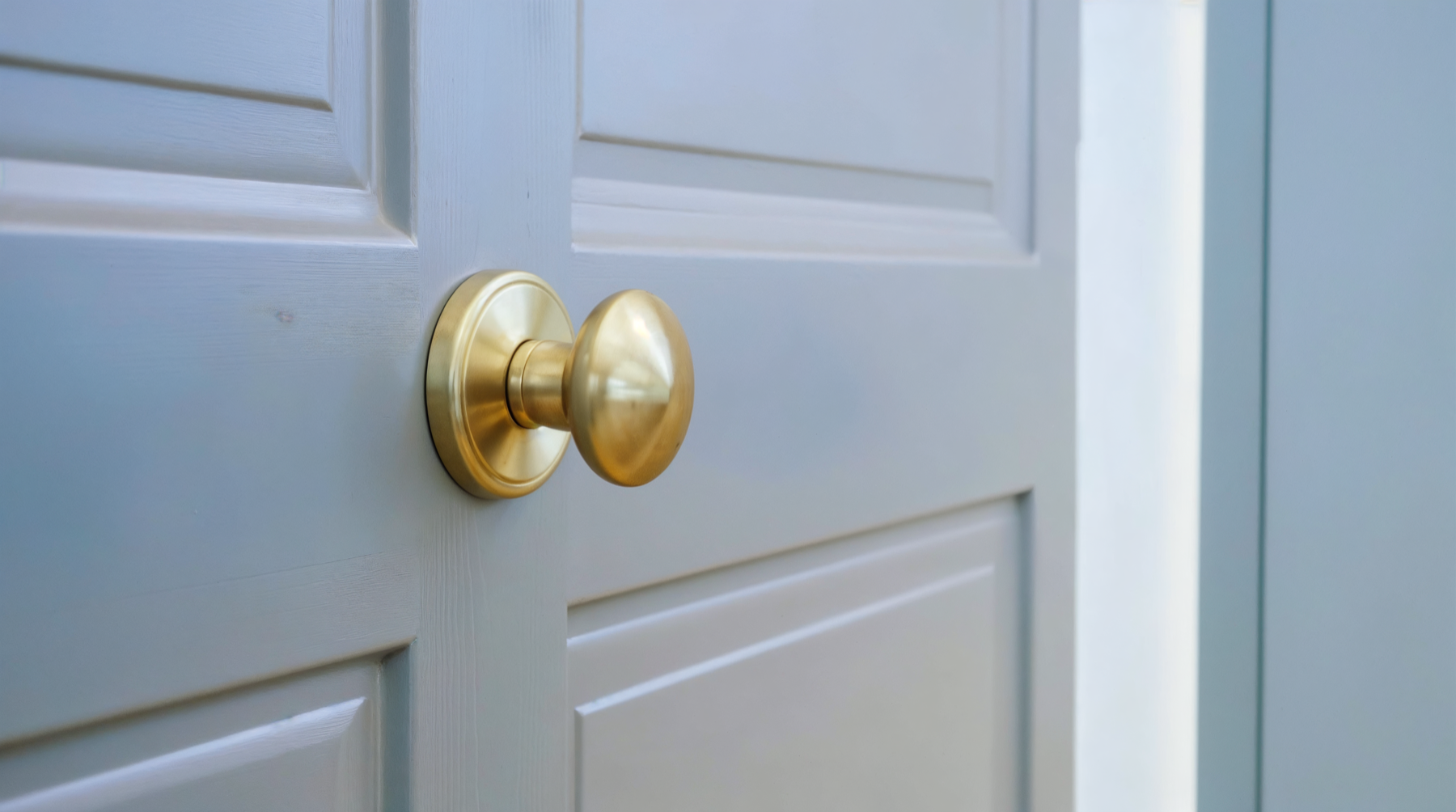
A vault room door should secure the room without making the space feel industrial or exposed. It should protect valuables, control access, and preserve the character of the property.
Protectus Group combines reinforced construction, discreet design, and project-specific planning to create vault room doors for private collections, valuables, documents, watches, jewelry, firearms, artwork, archives, and secure residential storage.
A vault room door is a reinforced door system designed to control and protect access to a secure storage room, collection room, private archive, or asset room.
Yes. It can be finished with wood, paint, paneling, custom hardware, or architectural detailing so it matches the surrounding home.
Not always. Many gun room doors are specified primarily for forced-entry resistance and access control. Ballistic-resistant construction can be added where required.
This is usually not recommended. A standard door is not designed for the added weight, frame loads, locking requirements, or forced-entry resistance needed for a secure vault room.
Yes. Existing rooms can often be upgraded, although the opening, wall structure, floor condition, frame requirements, and door weight must be reviewed first.
Yes. Depending on the project, a vault room door can include biometric access, keypad entry, motorized locking, automatic locking, or selected access control integration.
Often, yes. The door is only one part of the secure room. Ballistic paneling, reinforced walls, secure glazing, and proper frame integration may also be required.
Common uses include storage for watches, jewelry, documents, artwork, firearms, private archives, cash, collectibles, and other sensitive assets.
Yes. Protectus Group can coordinate with architects, interior designers, contractors, and security advisors to ensure the door is properly specified and visually integrated.
Begin with a confidential consultation.
Complete the form below to share your needs and request a private consultation. A member of our team will respond discreetly to discuss the appropriate next steps.
Protectus Group works with private clients, family offices, architects, developers, and security
advisors
on sensitive residential and estate security projects.
Our first step is to understand your property, priorities, and
privacy requirements. All
client information is handled in strict confidence.


