



Clear Visibility
Protective glazing can be specified to maintain natural light, views, and visual clarity while improving resistance.
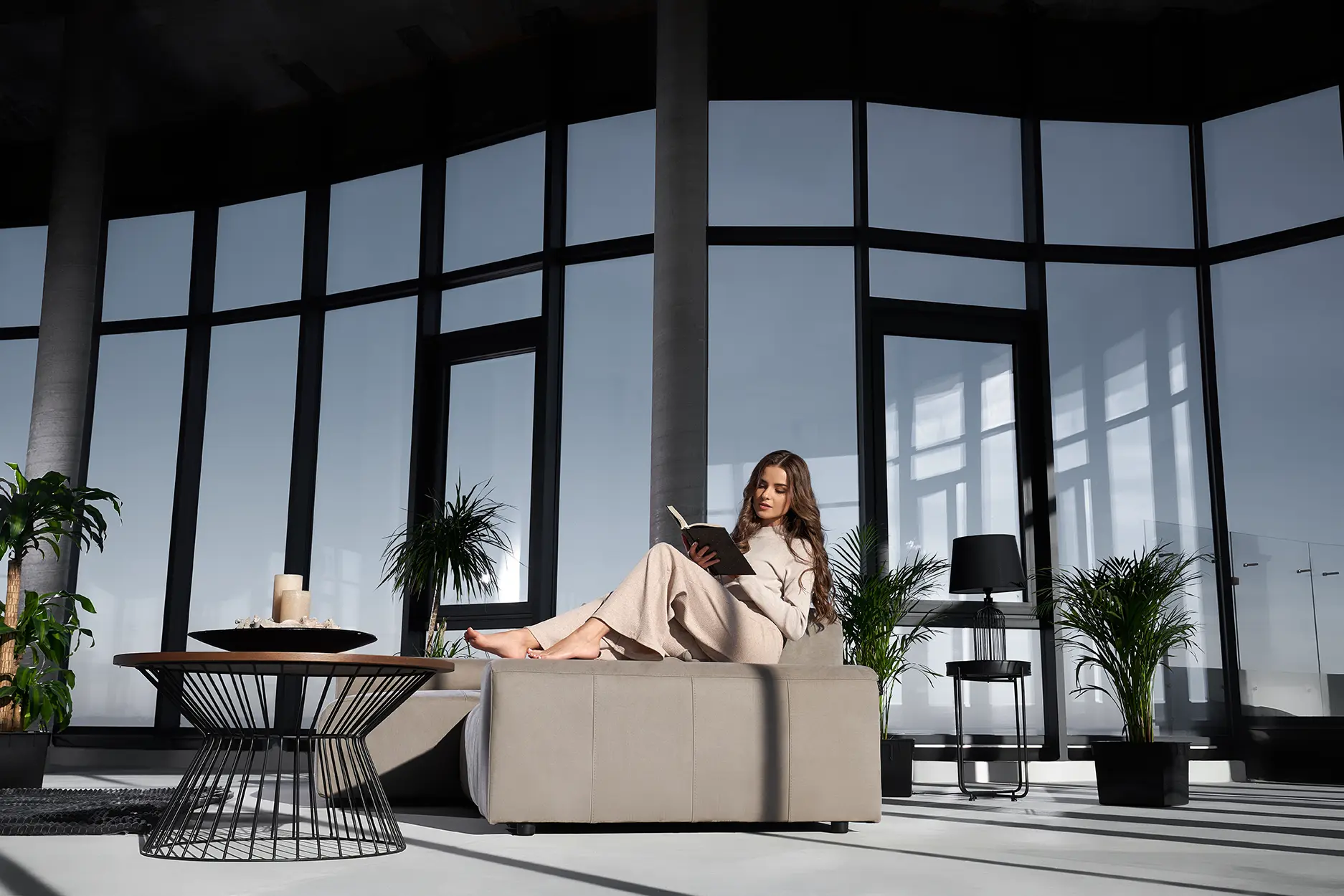


Protectus Group designs reinforced window and glazing systems for private homes, estates, safe rooms, and high-value properties.
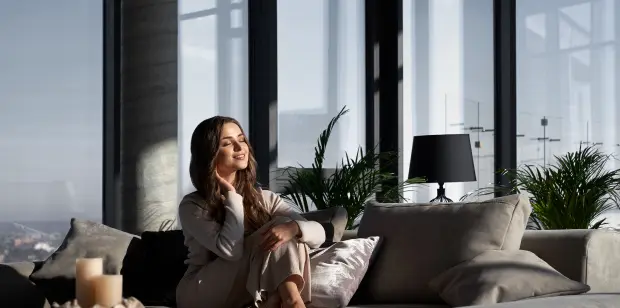
Protective glazing should strengthen the home without changing the way it feels. Protectus Group specifies window systems that combine security glass, reinforced framing, and refined detailing for private residential environments.
Protective glazing can be specified to maintain natural light, views, and visual clarity while improving resistance.
Frames, profiles, finishes, and proportions can be selected to suit the architecture of the property.
Depending on the project, protective windows may be fixed or designed to open for ventilation and everyday use.
The glass is only one part of the system. Frames, locks, anchors, and surrounding structure all affect performance.
Window systems can be considered alongside insulation, comfort, and climate requirements.
Protective glazing should appear natural within the home, not commercial or defensive.
Not every property requires the same level of window protection. Some clients need forced-entry resistance. Others require ballistic-resistant glazing, blast considerations, or secure glazing for safe rooms and private zones.
Protectus Group helps define the appropriate level of protection based on the property, location, exposure, and client requirements.
Designed to improve resistance against impact, tools, prying, and attempts to breach the window or frame.
For selected environments, glazing can be reviewed for blast-resistant performance and safer fragmentation behavior.
For selected environments, glazing can be reviewed for blast-resistant performance and safer fragmentation behavior.
A strong glass panel is not enough. The frame and anchoring system must be considered as part of the complete protective assembly.
Protective glazing may be used in safe rooms, secure offices, and private suites where visibility and protection are both required.
Windows can be coordinated with secure doors, reinforced walls, and safe room planning as part of a wider residential security strategy.
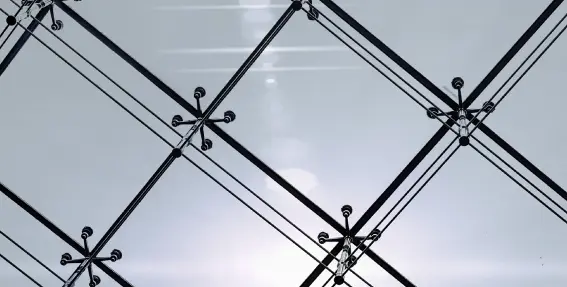
A protective window is a complete system. The glazing, frame, locking points, anchors, seals, and surrounding structure must work together.
In refined residential projects, this system also needs to look appropriate. Protectus Group focuses on protective glazing that supports defensive architecture while preserving the home’s design language.
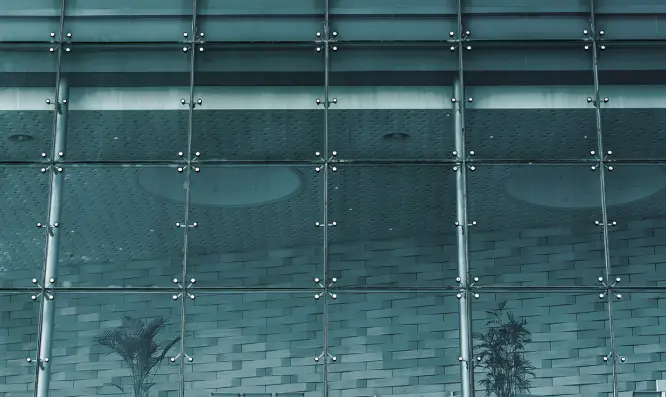
Residential protective glazing must feel different from commercial security glass. A private home requires warmth, proportion, natural light, and architectural continuity.
A clean, secure option for openings where ventilation is not required.
For selected projects, protective glazing can be specified in operable formats such as casement, tilt-turn, or other custom configurations.
The glass is only one part of the system. Frames, locks, anchors, and surrounding structure all affect performance.
Custom profiles, trim details, mullions, and finishes can be considered for traditional or historically sensitive properties.
Protective systems can be developed for homes with more detailed exterior or interior design requirements.
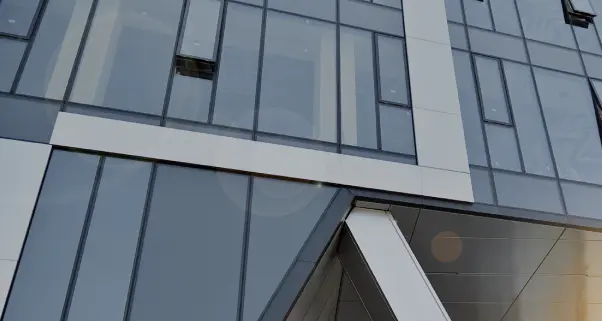
Commercial security glazing often prioritizes function above appearance. For private residences, the standard is different. The window must protect, but it must also preserve comfort, privacy, and architectural quality.
Protectus Group specifies protective glazing for residential environments where bulky commercial systems would feel out of place.
The result is a stronger window system that remains visually refined, proportioned, and appropriate to the property.
Protective glazing is heavier and more complex than standard residential glass. Proper planning is essential to ensure the window performs correctly and integrates cleanly with the property.
Assessment of existing openings, frames, wall conditions, and surrounding structure.
Selection of glazing type, frame system, protection level, finish, and operation style.
Alignment with architects, contractors, interior designers, and security advisors where required.
Review of rough openings, structural support, access, and installation sequence.
Coordination so the finished system is secure, precise, and visually appropriate.
Protective glazing is the broader term. It can include forced-entry resistant glass, bullet-resistant glazing, blast-resistant glazing, laminated security glass, and reinforced window systems.
For professional use, “bullet-resistant windows” or “protective glazing” is more accurate. No window is truly proof against every weapon, tool, or condition.
Yes. Frames, trim, finish, proportions, and glass treatments can be selected to suit the property’s architecture.
In some projects, yes. Operable protective windows are more complex than fixed systems, but they may be possible depending on the required protection level and design.
Sometimes. The existing frame, wall structure, opening size, and desired protection level must be reviewed first. In many cases, the full window system needs to be replaced rather than only changing the glass.
Common applications include main façades, bedroom suites, safe rooms, private offices, ground-floor openings, terrace doors, and exposed areas of the property.
Yes. The glass, frame, locking system, anchors, and surrounding structure all affect performance. Protective glazing should be treated as a complete system.
Begin with a confidential consultation.
Complete the form below to share your needs and request a private consultation. A member of our team will respond discreetly to discuss the appropriate next steps.
Protectus Group works with private clients, family offices, architects, developers, and security
advisors
on sensitive residential and estate security projects.
Our first step is to understand your property, priorities, and
privacy requirements. All
client information is handled in strict confidence.


